
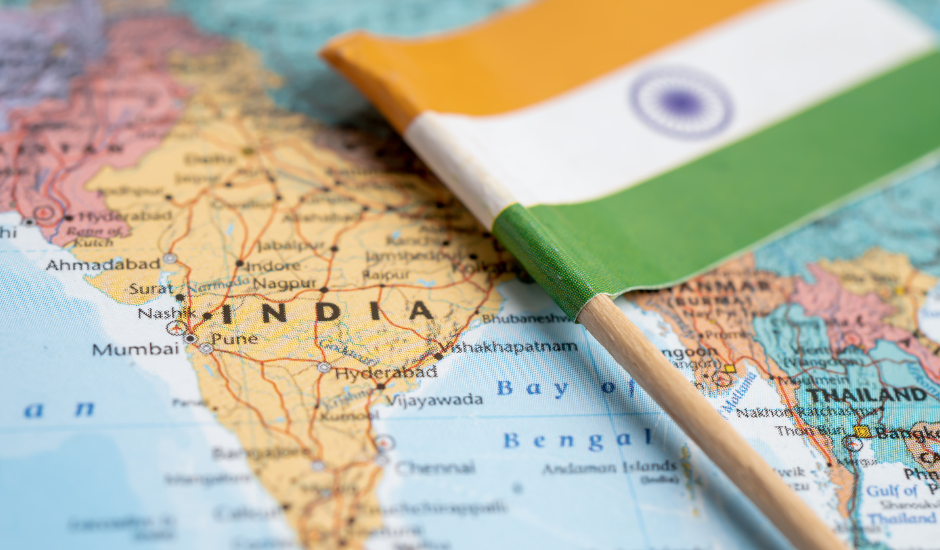
Going back home to India? Before you book your flights, there’s one thing most Indian Australians overlook and it can cost tens of thousands of dollars if something goes wrong. This complete guide covers everything you need to know about travel insurance for India from Australia in 2026.
What This Guide Covers
Toggle133,580 – Australian residents travelled to India in Jan 2026 (ABS)
141.9% –India travel above pre-COVID levels — top-10 destination (ABS 2024–25)
$100K+ –Potential cost of emergency medical evacuation to Australia
“$40–$80 Typical cost of 1-week travel insurance for India from Australia
Do I Really Need Travel Insurance To Go To India?
We understand you are heading home. You have family there, you know the cities, you speak the language. And when you convert Australian dollars to rupees, everything looks cheaper. So travel insurance for India feels unnecessary, right?
Wrong. Here’s what most Indian Australians don’t realise: the moment you land in India as an Australian resident, you are treated as a foreign visitor by the medical system. You pay full private hospital rates, upfront, in full every time.
According to ABS data for 2024–25, travel from Australia to India has surged 141.9% above pre-COVID levels — one of the strongest recovery rates among all top-10 destinations. Hundreds of thousands of Indian Australians fly home every year. Very few carry proper travel insurance.
Travel insurance to India is not legally mandatory to enter the country. But the Australian Department of Foreign Affairs and Trade (DFAT) formally recommends comprehensive travel insurance for all India travel citing the high costs of private medical care, variable healthcare quality outside major cities, and the potential need for emergency repatriation.
What Medical care Actually Cost in India
India’s medical inflation rate is running at 14% per year. Private hospitals like Apollo, Fortis, and Max in major cities offer world-class care at prices that will surprise you when you see them in Australian dollars. The public hospital system is an option most visitors would not voluntarily choose.
Here are real indicative costs at Apollo Hospitals, New Delhi one of India’s premier private networks:
| ical Situation | Cost in India (INR) | Cost in AUD | Travel Insurance |
|---|---|---|---|
| 48-hour hospitalisation (infection) | ₹90,000 | ~AU$1,660 | ✓ Covered up to AU$1.6M |
| Broken tibia — X-ray, cast, crutches | ₹70,000 | ~AU$1,290 | ✓ Covered |
| Appendicitis — consultation + surgery | ₹2,30,000 | ~AU$4,240 | ✓ Covered |
| Angioplasty (heart) | ₹2–3 lakh | ~AU$3,700–$5,500 | ✓ Covered |
| Kidney transplant | ₹10–15 lakh | ~AU$18,500–$27,700 | ✓ Covered |
| ICU bed per night (private hospital) | ₹40,000–₹80,000 | ~AU$740–$1,480/night | ✓ Covered |
| Dengue fever — intensive care | ₹1.5–3 lakh+ | ~AU$2,800–$5,500 | ✓ Covered |
| Emergency medical evacuation to Australia | ₹8.5 lakh+ | ~AU$15,670–$100,000+ | ✓ Covered |
*Indicative costs based on Apollo Hospitals (New Delhi) and industry data. AUD conversion at approx. 1 AUD = 54 INR.
The “It’s Cheap in India” Trap – A Real Story
An Indian Australian visitor contracted severe dengue fever in Goa. The private hospital bill hit AU$30,000. Her credit card travel insurance only covered AU$2,000 leaving her with a AU$28,000 out-of-pocket shortfall. A comprehensive travel insurance policy would have covered the full amount.
5 Reasons Indian’s in Australia Cannot afford to Travel Insurance for India
- No Medicare in India. Australia’s universal healthcare does not extend overseas. You are treated as a private international patient at every facility. India’s public system is not accessible to you as a foreign resident.
- Medical evacuation is brutally expensive. A serious cardiac event or stroke in a small town could require air evacuation back to Australia. This costs between AU$30,000 and AU$100,000+ — directly out of your savings if you’re uninsured.
- Health risks are real, even if you grew up there. Dengue, typhoid, hepatitis A, and traveller’s diarrhoea affect up to 20–40% of India visitors. Immunity built in childhood can wane after years of living in Australia.
- Top private hospitals require proof of financial cover. Hospitals like Apollo, Fortis, and Max often require confirmation of your ability to pay before admission. A travel insurance policy provides this guarantee and can arrange cashless treatment directly.
- It’s not just medical. Trip cancellation, lost baggage, stolen passport, flight delays, personal liability — all covered for a fraction of what any single event could cost you.
Health Risk Specific to India you must Know
The Australian DFAT advises travellers to exercise a high degree of caution throughout most of India, with “Do Not Travel” advisories for Jammu & Kashmir and some border regions. These health risks affect even experienced travellers who grew up in India.
Visiting Jammu & Kashmir or Border Regions? DFAT currently advises “Do Not Travel” to Jammu and Kashmir due to recent hostilities. Most standard travel insurance policies will not cover incidents in “Do Not Travel” zones. If visiting family in these areas, check your policy carefully and consider specialist cover.
Check Ratings and Real Customer Reviews
After narrowing your choice to two or three policies, check independent customer reviews.
Popular review platforms include:
- Trustpilot
- ProductReview.com.au
As of recent data, hundreds of insurance companies are reviewed on Trustpilot, making it easier to compare customer experiences.
When reviewing ratings, look for:
- A rating of 4.5 stars or higher
- At least 100+ customer reviews
- Positive feedback regarding claims processing
Instead of focusing only on ratings, also read reviews about claim experiences. That is when travel insurance matters most.
Check Australian Government Travel Advice
Before travelling internationally, travellers should always review official travel advice from the:
- Australian Government Department of Foreign Affairs and Trade
The Australian Government provides Smartraveller advice, which outlines, Safety updates Health warnings Travel risks and Entry requirements
Some travel insurance policies require travellers to follow Australian government travel advice for their claims to remain valid.
Author

OzMoneyTalks Editorial is the research and content team behind OzMoneyTalks. Built by Indian migrants, now Australians, with over 20 years of experience across finance, insurance, and services on both sides of the India-Australia corridor. Every article draws from real migrant stories, lived decisions, and independent research reviewed for accuracy before publication